
Winter creates extra pressure on every part of a working van — from electrics and tyres to the condition of internal fittings. Fleet reliability in cold months depends on forward planning, practical checks, and the right equipment.
These ten steps outline effective ways to reduce downtime, protect vehicle integrity, and maintain driver safety through the season.
- Review interior condition and load area
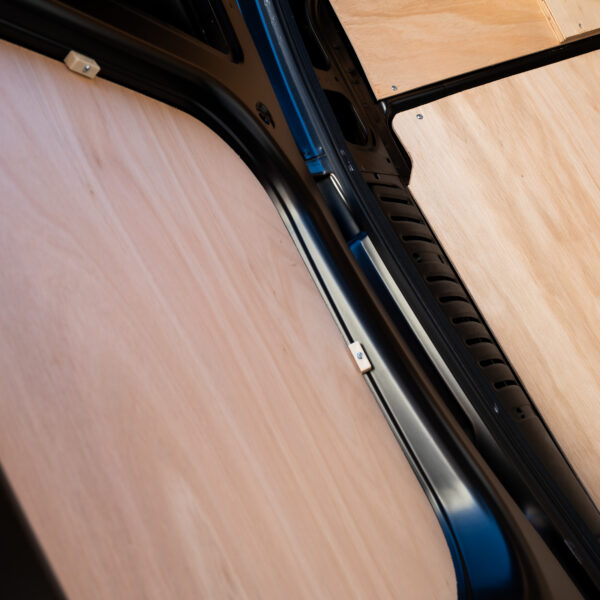
Cold and damp weather often increases condensation and wear inside the load area. Check for loose panels, damaged fixings, or areas showing early signs of moisture ingress. Repair or reseal as required. Durable interior protection — including racking, bulkheads, and sealed flooring — ensures a cleaner, more stable workspace during winter operations.
- Strengthen the floor surface
Flooring takes most of the impact during daily loading. Wet or muddy conditions make untreated floors slippery and shorten their lifespan. Fitting heavy-duty, anti-slip floors or rubber matting improves traction, protects subfloors, and reduces long-term maintenance costs.
- Inspect door seals and moving parts
Cold temperatures can harden rubber seals and stiffen hinges. Check side and rear doors for gaps or cracked weatherstrips, and apply silicone lubricant where necessary. Replace damaged seals to stop draughts, protect stored equipment, and prevent excess moisture from entering the load area.
- Check all lighting and electrical systems
Visibility is critical during darker mornings and evenings. Confirm that external lights — including headlights, brake lamps, and fog lights — are fully operational. Inspect wiring on internal lighting or auxiliary systems for any exposed sections or moisture contact. Reliable lighting protects both drivers and pedestrians in low-visibility conditions.
- Test batteries and charging circuits
Cold weather places additional strain on batteries. Test voltage and load capacity before temperatures fall, and clean any corrosion on terminals. Vans with electrical installations or racking systems using auxiliary power should be checked for balanced current draw to prevent discharge during idle periods.
- Maintain tyres and pressure
Tyre pressure naturally drops in low temperatures, reducing grip and braking efficiency. Check pressures weekly and ensure tread depth remains above 1.6 mm — though 3 mm or more offers safer traction in rain and frost. Consider all-season or winter-rated tyres for vehicles regularly operating on rural or uneven routes.
- Replace wiper blades and top up fluids
Visibility issues increase sharply in winter. Replace worn wipers before streaking occurs and switch to winter-grade screen wash formulated to resist freezing. Carry de-icer and an ice scraper in the cab for convenience at the start of early shifts.
- Prepare a winter emergency kit
Every vehicle should carry basic safety equipment suitable for cold conditions. Recommended items include:
- High-visibility jacket
- Torch and spare batteries
- Thermal blanket or jacket
- First-aid kit
- Warning triangle
- Jump leads
- De-icer and scraper
- Bottled water and energy snacks
A well-equipped van keeps drivers safe during delays or roadside incidents.
- Carry out a seasonal vehicle inspection
A pre-winter inspection prevents small issues from becoming breakdowns. Focus on brakes, suspension, belts, coolant levels, and exhaust systems. Top up all essential fluids and check that heaters and demisters function correctly. Regular maintenance keeps vehicles compliant and on schedule.
- Keep equipment secure and organised
Cold weather and limited daylight increase the chance of accidents and lost time when working from a van. Secure, well-planned racking systems keep tools in place, prevent movement during transport, and reduce time spent searching in poor light. Proper load management improves efficiency and safety, particularly during wet or icy operations.
Purpose-built conversions, precision-cut flooring, and robust racking systems play a vital role in keeping commercial vehicles operational all year round. Equipment designed for strength, compliance, and ease of maintenance performs when the conditions are least forgiving.
For tailored specifications or fleet upgrades ahead of winter, contact sales@comm-ply.co.uk or visit comm-ply.co.uk.